-
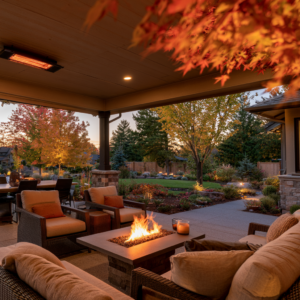
A beautiful outdoor space shouldn’t become unusable as soon as the temperature drops. Whether you have a small suburban patio, a covered deck, an outdoor kitchen, or a full backyard entertainment area, adding heat can help extend the outdoor season well into spring and fall—and sometimes winter.
The challenge for many homeowners is knowing where to start.
Outdoor heaters come in several styles and fuel types, and each works differently. Propane towers, electric infrared heaters, natural gas systems, tabletop units, and permanently mounted heaters can all make sense depending on the space.
This beginner’s guide breaks down the basics so you can understand how outdoor heaters work, the major options available, where they work best, and what to consider before purchasing one.
Why Add Heat to an Outdoor Living Space?
Outdoor heating is ultimately about getting more use out of your backyard.
A patio may be comfortable during a 75-degree summer evening but much less inviting when temperatures drop into the 50s. Adding strategically placed heat can help make dining, entertaining, watching television, or relaxing outside more comfortable during cooler weather.
Outdoor heaters are particularly useful around:
- Covered patios and decks
- Outdoor dining areas
- Pergolas and pavilions
- Outdoor kitchens
- Conversation areas
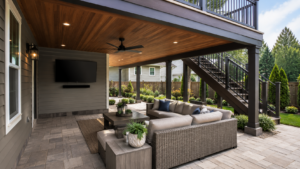
- Finished under-deck spaces
- Poolside seating
- Backyard entertainment areas
However, the goal isn’t necessarily to heat your entire backyard. In most cases, it makes more sense to create targeted comfort zones where people actually gather.
Understanding Radiant Heat
Many outdoor heaters use radiant or infrared heat.
Rather than trying to heat all of the outdoor air around your patio, radiant heaters transfer heat toward people and surfaces within their range. This is particularly useful outdoors, where heated air can quickly escape into the surrounding environment.
Infrared patio heaters can come in numerous configurations, including overhead, wall-mounted, floor-mounted, and tabletop designs. Gas-fired infrared heaters can operate on natural gas or propane, while many electric patio heaters also use infrared technology.
Think about sitting near a campfire on a cold night. The surrounding air may still be cool, but you can feel warmth when you’re facing the fire. Radiant outdoor heating uses a similar principle—although with much more controlled equipment.
Option #1: Propane Patio Heaters
The classic tall patio heater you see at restaurants is typically powered by propane.
These heaters generally store a propane cylinder inside the base and produce heat through a burner near the top.
Why homeowners choose propane
The biggest advantage is portability.
Because you don’t need a permanent electrical connection or natural gas line, many propane heaters can be positioned wherever they’re needed. This makes them particularly useful for existing patios where adding electrical infrastructure would be difficult.
They can be a good choice for:
Open patios: Move the heater closer to your seating area when temperatures drop.
Occasional entertaining: Bring out additional heaters when hosting a larger group.
Rental homes: Portable equipment doesn’t require the same permanent installation as built-in systems.
Budget-conscious upgrades: A freestanding heater can provide an accessible entry point into outdoor heating without redesigning the patio.
The downside is that propane cylinders eventually need to be refilled or exchanged. You’ll also need adequate space for the heater itself.
Most importantly, propane heaters require proper ventilation and must be used according to their listing and manufacturer’s instructions. NFPA guidance notes that propane patio heaters shouldn’t be used in enclosed locations and emphasizes following manufacturer requirements for ventilation, clearances, operation, and storage.
Option #2: Electric Infrared Heaters
Electric infrared heating offers a very different approach.
These heaters are available as freestanding, hanging, wall-mounted, and ceiling-mounted models. Current residential options range from smaller 120-volt units to significantly more powerful permanently installed heaters.
Electric heaters can work especially well in designed outdoor rooms where homeowners want heating to become part of the architecture.
Imagine a covered patio with:
Recessed lighting + ceiling fans + outdoor speakers + TV + slim ceiling-mounted heaters
Rather than having a large freestanding heater sitting beside the furniture, the heating equipment can be incorporated into the structure.
Electric infrared heaters can be particularly appealing for:
- Covered patios
- Pergolas
- Outdoor kitchens
- Finished under-deck spaces
- Smaller seating areas
- Modern outdoor living rooms
The tradeoff is infrastructure. Larger electric heaters can require dedicated electrical circuits and professional installation. If you’re building or renovating an outdoor space, it makes sense to discuss heating with your electrician before ceilings and finished surfaces are installed.
Option #3: Natural Gas Patio Heaters
Natural gas offers another solution for homeowners who want permanent outdoor heating.
Instead of using replaceable propane cylinders, these heaters connect to the home’s natural gas system.
That can be convenient for a patio that’s used frequently because there’s no tank to exchange. Gas-fired outdoor infrared heaters are available in wall-mounted, overhead, and other configurations.
However, natural gas is generally a more involved installation than purchasing a portable propane heater.
A qualified professional should determine whether the property can accommodate the system and install it according to applicable codes and manufacturer requirements.
Natural gas can make the most sense when heating is being considered as part of a larger outdoor renovation or new construction project rather than as a quick weekend upgrade.
Freestanding vs. Mounted Heaters
After choosing a fuel source, you’ll need to think about how the heater fits into your space.
Freestanding Heaters
Freestanding heaters offer flexibility.
They’re particularly useful if your furniture arrangement changes frequently or you’re unsure exactly where heat will be needed.
The downside is floor space. On a small patio, multiple freestanding heaters can quickly compete with chairs, tables, grills, and walkways.
Wall-Mounted Heaters
Wall-mounted heaters keep equipment off the floor and can direct heat toward specific areas.
These can work well beside a covered patio, outdoor kitchen, bar, or seating area.
Ceiling-Mounted Heaters
For a more integrated outdoor room, overhead heaters can provide a clean appearance while directing warmth toward occupied areas below.
They’re especially worth considering during new construction because wiring, mounting locations, clearances, lighting, and other ceiling features can all be planned together.
How Much Heat Do You Need?
This is where beginners sometimes make the mistake of assuming more power automatically means better heating.
Instead, think about the area you’re actually trying to make comfortable.
A four-person dining table doesn’t necessarily require the same heating strategy as a 500-square-foot outdoor entertainment space.
Consider:
Size: How large is the occupied area?
Exposure: Is it fully open or surrounded by walls?
Wind: Is your patio protected or frequently windy?
Ceiling height: How far will mounted heaters be from occupants?
Climate: A cool evening in Georgia is different from October in Colorado.
Usage: Are you heating two chairs or hosting 15 people?
Manufacturer coverage recommendations can help you compare individual heaters, but actual performance will depend heavily on your particular outdoor environment.
For a larger patio, several heaters covering separate zones can sometimes make more sense than relying on one heater to serve the entire space.
Match the Heater to Your Type of Outdoor Space
Different homes call for different approaches.
Small Suburban Patio
A portable propane or electric heater can provide plenty of flexibility without requiring a major project.
Position it around the primary seating or dining area while maintaining all manufacturer-required clearances.
Covered Outdoor Living Room
Consider wall- or ceiling-mounted electric infrared heaters that can become part of the overall design.
If you’re building the space from scratch, coordinate the heaters with your fans, lighting, speakers, and television.
Large Luxury Patio
Larger spaces may benefit from multiple heating zones.
Instead of trying to heat everything equally, create dedicated zones around the dining table, outdoor kitchen, and lounge area. Independent controls can allow homeowners to use only the heating areas they need.
Pergola
Pergolas require careful consideration because roof coverage and ventilation vary dramatically.
Before installing any heater beneath a pergola, verify that the exact heater is approved for that type of location and that all clearance and ventilation requirements can be met.
Finished Under-Deck Space
An under-deck living area can be an excellent candidate for heating, but overhead clearance may be limited.
If you’re planning a heater alongside ceiling fans, recessed lighting, speakers, and an under-deck drainage system, map the ceiling layout before installing anything.
What About Fire Pits?
Fire pits can certainly provide warmth, but they’re somewhat different from dedicated patio heaters.
A fire pit is often as much about ambiance and gathering as it is about heating. It naturally creates a focal point where people sit around the flame.
A patio heater is usually better suited to targeted functional heating—for example, warming people seated at a dining table.
You don’t necessarily have to choose between the two.
A larger backyard could use a fire feature as the centerpiece of one conversation area while incorporating dedicated heaters around a covered dining or entertainment space.
Outdoor Heater Safety Basics
Heating equipment deserves thoughtful planning.
NFPA recommends keeping combustible materials at least 3 feet (1 meter) away from heating equipment as a general safety rule. Propane heaters should also be operated according to manufacturer requirements for ventilation, clearances, cleaning, storage, and acceptable locations.
This becomes especially important in outdoor rooms containing curtains, furniture, rugs, plants, wood structures, and other combustible materials.
For portable electric heaters, CPSC recommends plugging appropriate units directly into wall outlets rather than power strips and keeping them on stable surfaces where they can’t easily be knocked over.
And one rule is particularly important: never bring an outdoor fuel-burning heater inside your home. CPSC warns that outdoor heaters used indoors can create dangerous carbon monoxide buildup.
Always follow the instructions and required clearances for your specific heater rather than relying on a universal rule.
Plan Heating With the Rest of Your Outdoor Space
One of the biggest opportunities for homeowners is thinking about outdoor heating before the patio is finished.
Imagine installing beautiful recessed lighting and two ceiling fans only to realize later that there’s nowhere appropriate to mount your heaters.
Instead, create a simple ceiling and floor plan.
Identify where you’ll have:
Fans | Heaters | Lighting | Speakers | TV | Curtains | Cooking Equipment
Then identify where people will sit.
This allows you to design heating around the actual experience of using the backyard rather than trying to squeeze heaters into whatever space remains.
It’s also where Outleven’s different outdoor living categories begin working together. A comfortable outdoor room isn’t created by one product—it comes from combining shelter, lighting, airflow, heating, sound, privacy, and furniture in a way that makes sense for the home.
Which Outdoor Heater Is Right for You?
There isn’t one answer.
If you want something portable and straightforward, propane may be the place to start.
If you’re creating a finished covered patio and want a clean, integrated appearance, electric infrared heating may be worth considering.
If you’re building a permanent outdoor entertainment space and already have access to natural gas, a professionally installed natural gas system could make sense.
The important thing is to start with your space rather than the heater.
Ask yourself where people gather, how often you’ll use the area, how protected it is from wind and weather, what utilities are available, and how permanent you want the installation to be.
Once you understand those basics, navigating the world of outdoor heaters becomes much easier—and your backyard can stay comfortable long after summer ends.
Sources
Under Deck Drainage System Buying Guide: How to Choose the Right System for Your Deck
Choosing outdoor lighting involves more than finding fixtures that look good. This guide walks through landscape lights, deck lighting, power options, brightness, color temperature, smart controls, and weather ratings to help you build a lighting system that fits your space.