Extend the Season
Supplemental heat can make patios and covered outdoor rooms more comfortable during cooler evenings and shoulder seasons.

Learn how to choose and plan outdoor heating for patios, decks, porches, pergolas, and covered outdoor living spaces. Compare electric, infrared, propane, wall-mounted, ceiling-mounted, and freestanding patio heaters.
Outdoor heaters are appliances designed to provide supplemental warmth in exterior living spaces such as patios, decks, porches, pergolas, and covered seating or dining areas. Common options include electric infrared heaters, propane patio heaters, natural-gas heaters, and freestanding, wall-mounted, or ceiling-mounted units. Choosing the right system depends on the size and openness of the space, fuel or electrical availability, mounting options, weather exposure, required clearances, and where people will actually sit or stand.
Outdoor heaters can make cool evenings more comfortable and help extend the useful season of a patio, but successful heating depends on putting the right type and amount of heat where people spend their time.
Supplemental heat can make patios and covered outdoor rooms more comfortable during cooler evenings and shoulder seasons.
Strategic heater placement concentrates warmth around seating, dining, conversation, or entertaining areas instead of trying to heat the entire backyard.
Well-planned heating can make outdoor kitchens and dining areas more comfortable when temperatures drop after sunset.
Heating can work alongside lighting, fans, curtains, drainage, and weather protection to create a more versatile outdoor room.
Learn how outdoor heating works, compare heater types, plan coverage and placement, and understand the installation and safety requirements before choosing equipment.

Find a heater that fits your covered patio’s layout, ventilation, and everyday use. Learn how to compare electric and gas options, evaluate coverage and clearances, and plan mounting, installation, and operating costs.

Infrared patio heaters deliver warmth directly to people and surfaces, making them a useful option for outdoor seating and dining areas. Learn how they work, what affects coverage, and what to consider when planning placement, installation, and operating costs.
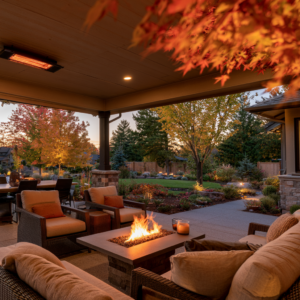
This beginner’s guide breaks down the most common outdoor heating options, including propane, electric infrared, and natural gas heaters. Learn how each type works, where it performs best, and what to consider when planning for your patio, deck, or outdoor living space.
Transform your backyard into a comfortable extension of your home with practical outdoor living room ideas that blend style and functionality. This guide covers 10 essential tips for choosing furniture, lighting, shade, entertainment, and other features to create an outdoor space you’ll use for relaxing, entertaining, and everyday living.
Keep your outdoor heaters ready for cooler weather with a simple seasonal maintenance routine. Learn how to clean and inspect propane and electric heaters, recognize potential problems, maintain safe clearances, and properly protect your equipment during periods of limited use.
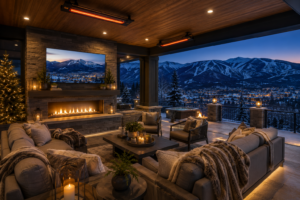
Choosing the right patio heater can help you enjoy your outdoor space well beyond the warmer months. This guide compares propane and electric patio heaters based on heating performance, operating costs, installation, safety, and ideal use cases, making it easier to find the best option for your backyard.
The best outdoor heater depends on where it will be used, how permanent you want the installation to be, what energy sources are available, and how you want heat distributed through the occupied area.
Electric infrared heaters are commonly used in covered patios and outdoor rooms where a permanent, controlled heating solution is desired.
Propane heaters are popular where portability matters or where permanent electrical or natural-gas installation is not practical.
Natural-gas outdoor heaters can provide a permanent solution where a suitable gas supply is available and the installation is designed for the equipment.
Fuel and power source affect portability, installation, controls, maintenance, and where a heater can safely and practically be used.
Electric infrared heaters can work especially well in covered outdoor rooms where heaters can be mounted overhead or on walls and supplied by properly designed electrical circuits.
They are a strong option when clean installation, individual zones, and convenient controls are priorities.
Propane heaters can be useful when you want heating without a permanent utility connection or need to reposition the heater around an open patio.
Fuel storage, tank replacement, ventilation, clearances, and the manufacturer's location requirements must be considered.
Natural-gas heating can make sense when the property already has access to gas and the patio is being designed around a permanent heating system.
Gas-line capacity, equipment location, ventilation, codes, and professional installation requirements should be addressed during planning.
Outdoor heating is different from heating an enclosed room. Open sides, wind, ceiling height, temperature, and distance between the heater and occupants all influence how effective a system feels.
Start by identifying where people actually sit, dine, cook, or gather. Then plan heater locations and coverage around those occupied zones while maintaining every clearance required by the heater manufacturer.
Explore common outdoor heating questionsHow a heater mounts affects floor space, coverage, installation, appearance, and how easily the equipment can be repositioned later.
Freestanding units can be useful on open patios where portability and flexible placement are more important than a built-in appearance.
Wall-mounted heaters keep equipment off the floor and can direct heat toward a defined seating, dining, or conversation area.
Overhead heaters can integrate cleanly into covered patios and outdoor rooms when ceiling height, structure, utilities, and required clearances allow.
Outdoor heaters generate substantial heat. Placement should always be based on the specific manufacturer's installation instructions, required clearances, approved locations, and applicable electrical, fuel-gas, and building requirements.
Maintain the manufacturer's required separation from ceilings, walls, furniture, curtains, wood, and other combustible materials.
Fuel-burning equipment must only be used in locations approved by its manufacturer and with the ventilation and open-area requirements specified for the appliance.
Permanently installed electric heaters can require substantial electrical capacity. Circuit design, wiring, controls, and installation should meet equipment requirements and applicable codes.
Plan heaters alongside ceiling fans, lighting, speakers, curtains, beams, furniture, and other components so their operating zones and required clearances do not conflict.
How a heater mounts affects floor space, coverage, installation, appearance, and how easily the equipment can be repositioned later.
Freestanding units can be useful on open patios where portability and flexible placement are more important than a built-in appearance.
Wall-mounted heaters keep equipment off the floor and can direct heat toward a defined seating, dining, or conversation area.
Overhead heaters can integrate cleanly into covered patios and outdoor rooms when ceiling height, structure, utilities, and required clearances allow.
Outdoor heaters generate substantial heat. Placement should always be based on the specific manufacturer's installation instructions, required clearances, approved locations, and applicable electrical, fuel-gas, and building requirements.
Maintain the manufacturer's required separation from ceilings, walls, furniture, curtains, wood, and other combustible materials.
Fuel-burning equipment must only be used in locations approved by its manufacturer and with the ventilation and open-area requirements specified for the appliance.
Permanently installed electric heaters can require substantial electrical capacity. Circuit design, wiring, controls, and installation should meet equipment requirements and applicable codes.
Plan heaters alongside ceiling fans, lighting, speakers, curtains, beams, furniture, and other components so their operating zones and required clearances do not conflict.
Outdoor heaters are one part of a year-round comfort strategy. A covered patio might combine heaters for cool weather with outdoor fans for warm weather, curtains for privacy and sun control, and lighting for nighttime use.
Planning those systems together helps prevent conflicts between heater clearances, fan blades, light fixtures, curtain locations, speakers, structural beams, and electrical requirements.
Quick answers to common questions about electric, infrared, propane, and natural-gas patio heaters, including sizing, placement, mounting, and covered spaces.
Start with the size, layout, exposure, utilities, and occupied areas of your outdoor space. Then compare heater type, mounting, coverage, controls, installation requirements, and clearances.