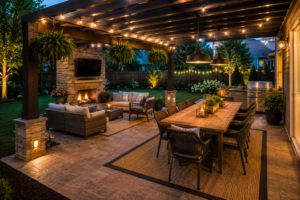
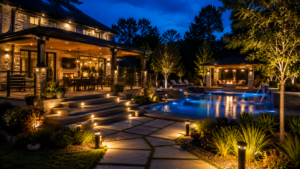
Outdoor Lighting

Outdoor Lighting • Landscape • Deck • Patio

Outdoor Lighting for Patios, Decks & Landscapes

Learn how to plan outdoor lighting that improves safety, highlights your home and landscape, and creates a more inviting backyard after sunset. Compare fixtures, power options, brightness, color temperature, controls, and installation strategies.

Outdoor Lighting Explained

Good lighting makes an outdoor space work after dark.

Outdoor lighting is the use of exterior-rated fixtures to improve visibility, safety, security, atmosphere, and architectural or landscape appearance after dark. A complete residential lighting plan may include path lights, deck and step lights, wall fixtures, spotlights, uplights, pendants, string lights, and other fixtures working together rather than relying on one bright source. The best systems begin with what each area needs the light to accomplish, then match the fixture, brightness, beam, color temperature, power source, and weather rating to that purpose.

Build in Layers

The Four Types of Outdoor Lighting

The most effective outdoor spaces usually combine several layers of light. Each layer solves a different problem, from helping people navigate safely to creating atmosphere around a patio or highlighting the landscape.

01

Ambient Lighting

Provides comfortable general illumination around covered patios, porches, outdoor dining areas, and other gathering spaces.

02

Task Lighting

Places usable light where specific activities happen, including stairs, grills, outdoor kitchens, doors, counters, and work areas.

03

Accent Lighting

Highlights trees, stonework, columns, walls, gardens, water features, and architectural details to create depth after dark.

04

Decorative Lighting

Adds character and atmosphere through string lights, lanterns, pendants, chandeliers, and fixtures that are meant to be noticed.

Outdoor Lighting Guides

Learn the fundamentals, compare outdoor lighting products, plan a deck lighting design, or explore the different fixtures and technologies that can bring your outdoor space to life after dark.

Outdoor Lighting

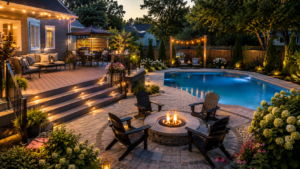
Layering Light in Outdoor Spaces: The Secret to a Beautiful Backyard After Dark

The right lighting can transform an ordinary backyard into a warm, inviting retreat after sunset. This guide explores how layering ambient, task, and accent lighting creates depth, improves functionality, and highlights your outdoor space’s best features. Learn simple design strategies to make your patio, deck, or landscape feel both beautiful and practical long after the sun goes down.
Outdoor Lighting

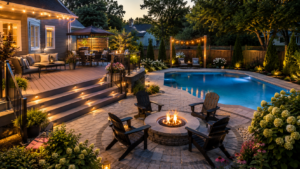
The Best Deck Lighting Ideas: How to Create a Beautiful and Functional Outdoor Living Space

The right deck lighting can extend the use of your outdoor space while improving safety, comfort, and curb appeal. This guide explores the best deck lighting ideas, including stair lights, post cap lights, railing lights, recessed lighting, and under-deck illumination. Learn how to combine different lighting types to create a beautiful, functional outdoor living space you’ll enjoy long after sunset.
Outdoor Lighting

Is Smart Outdoor Lighting Worth the time and Investment?

Smart outdoor lighting can make your backyard more convenient, secure, and enjoyable, but is it worth the added cost? This guide explores the benefits, potential drawbacks, installation considerations, and long-term value to help you decide whether smart lighting is the right investment for your outdoor living space.
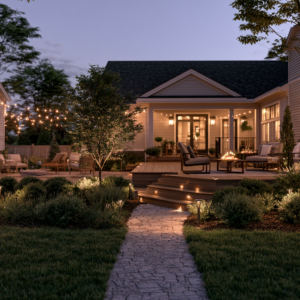
Outdoor Lighting

Types of Landscape Lighting: A Beginner’s Guide to Illuminating Your Outdoor Space

Landscape lighting does more than brighten your yard—it enhances curb appeal, improves safety, and creates a welcoming outdoor atmosphere after dark. This beginner’s guide explores the most popular types of landscape lighting, where to use them, and how to combine different fixtures for a beautiful, well-lit outdoor space.
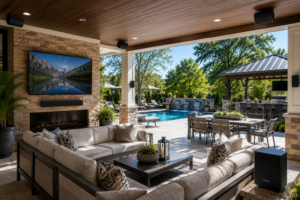
Choose by Purpose

Which Outdoor Lighting Fixtures Do You Need?

Don't start by choosing a fixture because you like how it looks. First decide what needs to be illuminated, then select a fixture designed to perform that job.

Navigation & Safety

Path, Step & Deck Lights

Low-level fixtures help people understand where to walk and make changes in elevation easier to see.

  • Walkways and garden paths
  • Deck stairs and risers
  • Railings and post caps
  • Changes in elevation
Landscape & Architecture

Spotlights & Uplights

Directional fixtures add depth by selectively illuminating trees, walls, columns, gardens, and architectural details.

  • Specimen trees
  • Stone and textured walls
  • Columns and architecture
  • Landscape focal points
Outdoor Living

Sconces, Pendants & Decorative Lights

Architectural and decorative fixtures add functional light while helping a patio or porch feel more like a finished room.

  • Covered patios and porches
  • Outdoor kitchens
  • Dining and seating areas
  • Pergolas and entertaining spaces
Plan Before You Install

Light What Matters Instead of Lighting Everything

A good outdoor lighting plan begins by walking through the property and identifying destinations, circulation routes, activity areas, elevation changes, entrances, and features worth highlighting.

Rather than making the entire yard equally bright, create layers and contrast. Use enough light for safe movement and outdoor activities, then allow darker areas to remain between focal points.

Learn the fundamentals of outdoor lighting design
Lighting Technology

Brightness Is Only Part of the Equation

Outdoor lighting should be comfortable as well as functional. LEDs, brightness, color temperature, beam direction, dimming, and automated controls all influence how a space looks and feels after dark.

LED Lighting

LED fixtures combine energy efficiency, long service life, and broad availability across landscape, deck, architectural, and decorative lighting.

Lumens

Lumens describe visible light output. More lumens are not automatically better—excessive brightness can create glare and flatten the nighttime design.

Color Temperature

Warmer white light often creates a more comfortable residential atmosphere around patios, decks, landscapes, and outdoor dining areas.

Smart Controls

Timers, photocells, motion sensors, dimmers, zones, and app-based controls can help lighting operate only when and where it is useful.

Compare Power Options

Solar vs. Low-Voltage vs. Line-Voltage Outdoor Lighting

How a fixture receives power affects installation, reliability, expandability, controls, and where it makes the most sense around your property.

Simplest Installation

Solar Lighting

Solar fixtures require no wired electrical connection and can work well for supplemental path, garden, and decorative lighting.

Performance can vary with available sunlight, battery capacity, weather, season, and fixture quality.

Landscape Systems

Low-Voltage Lighting

Low-voltage systems are widely used for residential landscape, path, deck, and accent lighting and can support multiple fixture types from one system.

They are particularly useful when you want a coordinated lighting plan that can potentially expand over time.

Architectural Applications

Line-Voltage Lighting

Exterior wall lights, certain floodlights, architectural fixtures, and other permanently wired applications may operate from standard household electrical service.

Projects involving household electrical circuits may require a qualified electrician and must follow applicable codes and installation requirements.

Exterior Installation

“Outdoor” doesn't mean every fixture belongs everywhere.

Match each outdoor light to the environmental conditions where it will actually be installed. A fixture beneath a protected covered patio can experience very different conditions from a landscape fixture exposed to rain, irrigation, snow, or other direct moisture.

Check the manufacturer's location rating before purchasing and follow all installation requirements. More complex projects involving line-voltage wiring, new circuits, structural changes, or sophisticated controls may be better suited to a qualified professional.

Learn what to check before buying outdoor lights
Design a Better Backyard After Dark

Start With What You Want the Light to Do

Identify where you need safety, task, ambient, and accent lighting first. Then choose fixtures, brightness, color temperature, power, controls, and placement around those goals.