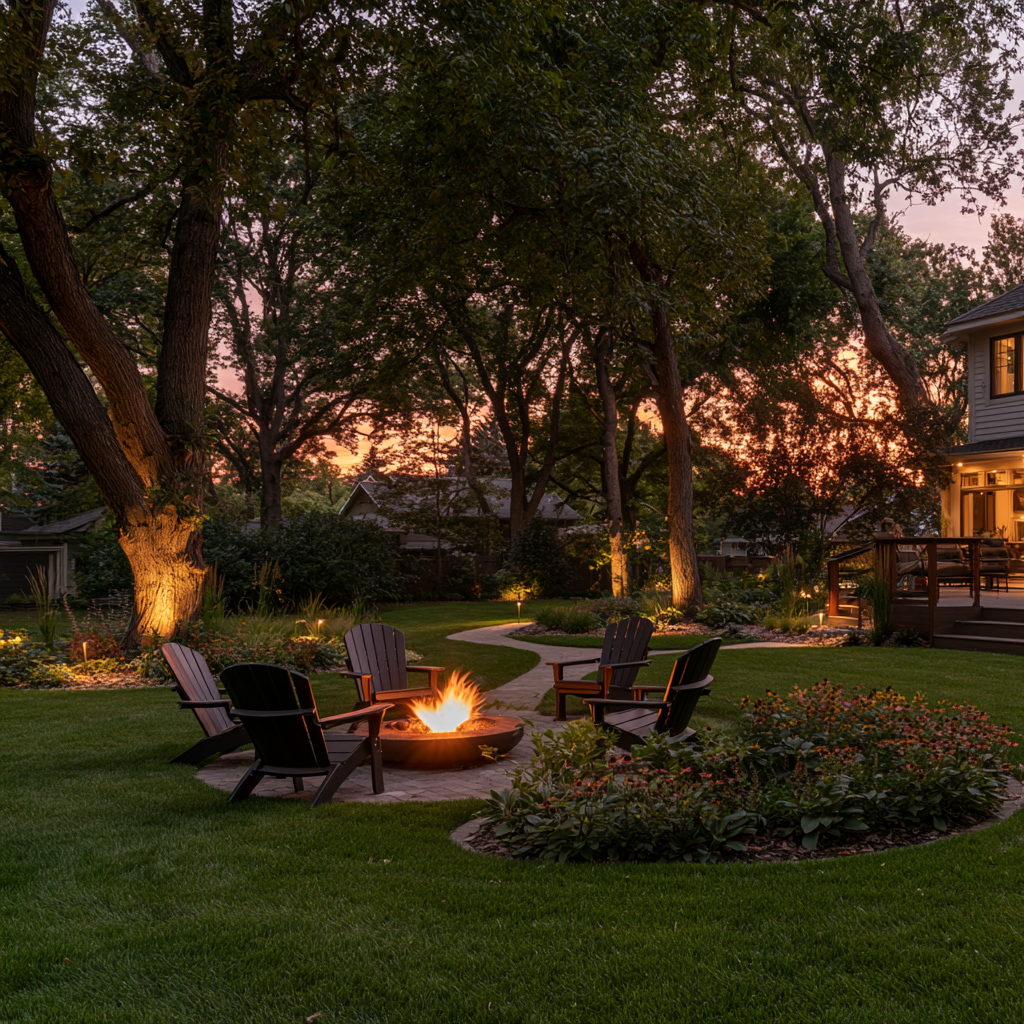
Cooler weather does not have to end your time on the patio. With the right heating setup, you can make outdoor dinners, morning coffee, and evenings with friends more comfortable.
Infrared patio heaters are one option for adding warmth where people gather. You may have noticed them mounted above restaurant seating or beneath a covered patio. Their appeal comes from how they deliver heat: infrared heaters transfer radiant energy directly to people and surfaces in their path, rather than relying primarily on warming the surrounding air.
Understanding that difference can help you choose a heater and plan a layout that works for your outdoor space.
What Is an Infrared Patio Heater?
An infrared patio heater produces radiant heat. When that energy reaches your clothing, skin, furniture, or other surfaces, it is absorbed and converted into warmth.
You can think of the sensation as similar to stepping into sunlight on a cool day. The comparison describes how the warmth reaches you; infrared heating is not the same as exposure to the sun’s ultraviolet rays.
Bromic’s outdoor heating guide explains that radiant energy travels through open air to warm people and surrounding surfaces directly. This targeted approach suits outdoor areas where warmed air can readily disperse.
However, warmth is concentrated within the heater’s effective coverage area. One small unit should not be expected to make an entire open backyard feel like an indoor room.
Are All Infrared Patio Heaters Electric?
No. “Infrared” describes the method of heat transfer, while “electric,” “propane,” and “natural gas” describe the energy source.
An electric infrared heater uses electricity to heat an element that emits radiant energy. Gas-fired radiant heaters use combustion to heat an emitting surface.
Bromic offers both electric and gas infrared outdoor heaters, illustrating why infrared and electric are not interchangeable terms.
For homeowners, the energy source affects installation, fuel access, controls, maintenance, and operating costs. Compare those requirements separately from the heater’s radiant performance.
Why Does Infrared Heating Work Outdoors?
Outdoor spaces are difficult to heat by warming air alone. Open sides, breezes, and ventilation allow heated air to escape.
Radiant heating delivers energy directly toward the occupied area. That makes it useful for a dining table, lounge seating, or another defined zone.
But infrared heaters are not immune to weather. Wind still increases heat loss from your body, and colder conditions can reduce the area that feels comfortable. Infratech notes on its W-Series product page that coverage can be lower in extremely cold or windy conditions.
Set realistic expectations: the goal is to improve comfort in a particular area, not maintain a uniform outdoor air temperature.
What Determines How Much Warmth You Feel?
Heater output matters, but it is only part of the picture.
| Factor | Why it matters |
| Mounting height | Changes the distance between the heater and occupants |
| Direction and angle | Determines where radiant energy is aimed |
| Seating layout | Affects whether people sit within useful coverage |
| Wind and temperature | Influence heat loss and perceived comfort |
| Obstructions | Can interrupt the direct path of radiant energy |
| Number of heaters | Affects how evenly separate seating areas receive warmth |
Start with the area people actually use. A large patio with one dining table may need a different plan from the same-size patio divided into dining and lounging zones.
Use the manufacturer’s coverage diagrams and recommended mounting heights. Treat advertised square-foot coverage as a planning estimate under specified conditions, rather than a guarantee for every installation.
Where Can Infrared Patio Heaters Be Installed?
Depending on the product, options include wall, ceiling, pole, and recessed installations.
For your space, consider:
- Wall mounting: Useful when a suitable wall can support a heater aimed toward seating.
- Ceiling mounting: Keeps equipment above the occupied area when height and clearances allow.
- Recessed mounting: Provides an integrated appearance but requires an approved heater and recess system.
- Freestanding installation: Offers flexibility when the selected product is designed for that use.
Do not recess a surface-mounted heater or change its orientation unless the manufacturer permits it. Mounting details affect both performance and safe operation.
Can You Use One Under a Covered Patio?
Some infrared heaters are designed for covered outdoor spaces, but approval depends on the exact product and installation.
Check required clearances from ceilings, beams, walls, furniture, and other materials. Pay particular attention to curtains, awnings, and hanging decorations that could move toward the heater.
Gas models also have ventilation and location requirements. Adding curtains or screens can change the enclosure conditions, so evaluate the complete space rather than assuming an outdoor-rated heater is suitable anywhere beneath a roof.
What Should You Know About Electrical Installation?
Electric infrared patio heaters come in different voltages and power ratings. Some products plug into a suitable outlet, while others require a permanent hardwired installation.
Before buying, have a qualified electrician confirm the available supply, circuit requirements, outdoor protection, and compatible controls.
Plan electrical work early, especially for a detached pergola or gazebo. An existing outlet nearby does not establish that it can supply the heater you want.
Are Infrared Patio Heaters Economical to Run?
Operating cost depends on power consumption, energy prices, operating time, and the number of heaters.
For an electric heater, a simple estimate is:
Cost = power in kilowatts × operating hours × electricity rate per kilowatt-hour
As an illustrative example, a 2,000-watt heater running continuously at full power for three hours uses 6 kilowatt-hours. At an assumed rate of $0.15 per kilowatt-hour, the electricity cost would be $0.90. Your rate and actual power use may differ.
Electric resistance heaters convert electrical energy into heat at the point of use, but that does not mean all the heat reaches the occupants—or that every installation costs the same to operate. Australia’s Department of Climate Change, Energy, the Environment and Water explains the distinction between electric resistance heating and other heating technologies.
Targeting occupied zones and switching heaters off when they are no longer needed helps avoid unnecessary consumption.
Choosing an Infrared Heater for Your Space
Begin with your seating layout and the conditions you want to improve. Then compare outdoor suitability, coverage, mounting requirements, power or fuel supply, and controls.
An infrared patio heater can help extend the use of your outdoor space when its output and placement match the setting. A thoughtful plan puts warmth where you spend time and keeps the installation compatible with the rest of your patio.
Sources